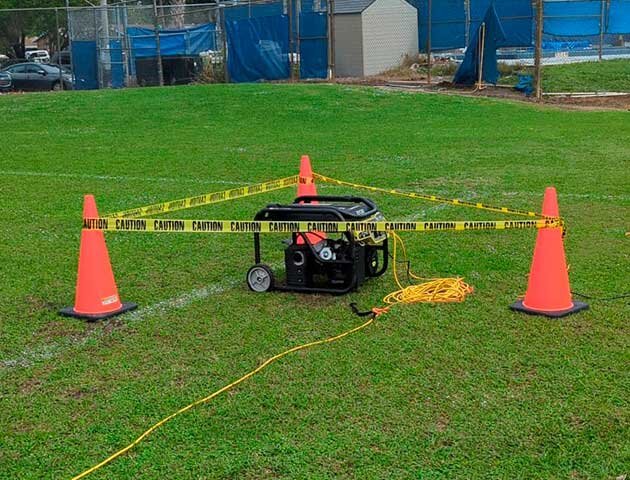
Losing power can plunge your home into chaos, but a generator offers a beacon of hope. Yet, harnessing that power safely requires diligent attention to detail, the right gear, and a solid understanding of potential hazards. Mastering the Essential Equipment & Safety for Generator Hookup isn't just about convenience; it's about protecting your home, your family, and even utility workers from serious harm. Done right, your generator becomes a reliable partner; done wrong, it can be deadly.
At a Glance: Generator Safety Essentials
Before we dive deep, here are the non-negotiable takeaways for safe generator use:
- Outdoor Operation ONLY: Always at least 20 feet from your home, windows, doors, and vents.
- Never Indoors: Garages, basements, crawlspaces, or enclosed porches are off-limits, even with doors open.
- CO Alarms are Critical: Install and test battery-powered or hardwired carbon monoxide alarms on every level of your home and outside sleeping areas.
- No Backfeeding: Never plug a generator directly into your home's electrical system.
- Transfer Switch or Interlock Kit: Use a professionally installed manual transfer switch or interlock kit to safely power household circuits.
- Heavy-Duty, Grounded Cords: Use outdoor-rated extension cords appropriate for the wattage and in good condition.
- Refuel When Cool: Always turn off the engine and allow it to cool completely before adding fuel.
- Regular Maintenance: Keep your generator in top shape with routine checks and periodic running.
The Power Play: Understanding Generator Risks
Portable and standby generators are powerful tools, providing essential backup during outages. But with great power comes great responsibility—and significant risks if mishandled. The primary dangers stem from carbon monoxide (CO) poisoning, electric shock, fire hazards from fuel or hot surfaces, and mechanical injuries. Your owner's manual is your first and most important guide; always consult it and plan your setup meticulously before an emergency strikes.
Getting It Right, Right From the Start: Placement & Ventilation
The most critical safety measure begins before you even start your generator: choosing its location. This isn't just about convenience; it's about life and death.
Your Generator's Safe Zone: Outdoors, Always
When an outage hits, the urge to keep your generator close or covered can be strong, but it's vital to resist. Generators must always be operated outdoors. This isn't a suggestion; it's a hard rule designed to prevent carbon monoxide poisoning. Position your generator a minimum of 20 feet away from your home, as well as any windows, doors, or vents. Think of your home as a giant sponge that can easily draw in invisible, odorless CO fumes, even through small openings.
Never, under any circumstances, operate a generator in enclosed spaces. This includes your garage, basement, crawlspace, or even an enclosed porch. Even if you leave doors or windows open, the design of these spaces can trap deadly CO gases or allow them to seep back into your living areas. CO is a silent killer, and its presence can quickly overwhelm you without any warning.
Breathing Room: Clearances for Your Unit
Beyond the 20-foot rule from your home, your generator also needs its own personal bubble of space. Ensure there's 3-4 feet of clear space both above and on all sides of the unit. This isn't just for you to access it; it's crucial for proper ventilation. Adequate airflow helps dissipate exhaust fumes and prevents the generator from overheating. Always direct the exhaust fumes away from your home and any other nearby structures. The goal is to ensure the poisonous gas travels freely into the open air, far from any human or animal occupants.
Weathering the Storm: Keeping Your Generator Dry
While you absolutely must operate your generator outdoors, you also need to protect it from the elements. Generators and water don't mix; do not operate your unit when it's wet. Rain or snow can cause electrical shorts, damage the unit, or create a severe electric shock hazard.
In inclement weather, a generator-specific Storm Shield is an invaluable piece of equipment. These shields are designed to protect your generator from rain and snow while maintaining essential airflow and ventilation. They offer a safe way to keep your unit dry without compromising the critical outdoor placement rule. Remember, improvisation with tarps or makeshift covers can be dangerous if they restrict airflow, leading to CO buildup or overheating.
Making the Connection: Electrical Safety for Your Home
Once your generator is safely placed, the next critical step is making electrical connections. This stage holds the potential for serious electric shock and fire hazards if not handled correctly.
Cords That Count: Heavy-Duty & Outdoor-Rated
When connecting appliances or tools directly to your generator, the quality of your extension cords is paramount. You need heavy-duty, outdoor-rated, grounded extension cords. "Grounded" means they have three prongs, and that third grounding prong must be intact – never cut it off.
Before each use, thoroughly inspect all cords for any signs of damage: fraying, cuts, cracks, or exposed wires. Immediately replace any worn or damaged cords. Using the proper cord for the wattage being drawn is also crucial; an undersized cord can overheat and cause a fire. Always ensure all connections are tight and undamaged to prevent arcing or power loss. For an extra layer of protection, especially when connecting directly, always use GFCI (Ground Fault Circuit Interrupter) protection. This can be built into your generator, your cords, or as a portable unit, and it's designed to quickly cut power if it detects a dangerous fault, preventing electrocution.
The Golden Rule: Never Backfeed!
This is perhaps the most dangerous mistake a homeowner can make: never plug a generator directly into your home's electrical system via a wall outlet. This practice, known as "backfeeding," is illegal in many places and incredibly hazardous.
- Why it's Dangerous: Backfeeding bypasses critical safety mechanisms. It can send electricity backward through your utility's power lines, creating a grave risk for utility workers who might be working on what they believe are de-energized lines. This can also damage your home's electrical system, posing fire and shock risks. Essentially, you're energizing the utility grid itself, putting lives at risk far beyond your property line.
The Safe Solution: Manual Transfer Switches & Interlock Kits
To safely power household circuits from your generator, you must isolate your home's electrical system from the utility grid. This is achieved through a professionally installed manual transfer switch or an interlock kit.
- Manual Transfer Switch: This dedicated panel is installed next to your main electrical panel. It has a switch that allows you to choose between utility power and generator power. When you switch to generator power, it physically disconnects your home from the utility grid, ensuring no electricity flows back to the lines. It then allows your generator to supply only selected circuits within your home, which you've pre-determined as essential.
- Interlock Kit: This is a mechanical device installed on your main electrical panel that prevents the main utility breaker and the generator's breaker from being "on" at the same time. It ensures that when your generator is connected and powering your home, the main utility power is physically locked in the "off" position.
Both solutions achieve the same goal: safely separating your home's electrical system from the grid and allowing your generator to supply power only to specific, chosen circuits. This is the only safe and code-compliant way to use a generator to power your home's hardwired systems. For a deeper dive into the specifics of wiring your generator, consider exploring guides on Connecting a generator to home. Once you have a transfer switch or interlock kit, remember to start and stop the generator only when no electrical loads are connected to prevent damage to the generator or your appliances.
Fueling Up Safely: Fire Prevention First
Generators run on highly flammable fuels like gasoline or propane. Handling these fuels incorrectly can quickly turn a power outage into a dangerous fire emergency.
Cool It Down Before You Fill Up
This rule is absolute: refuel only when the engine is completely off and cool. A hot engine, especially the exhaust manifold, can ignite fuel vapors or spilled fuel instantly. Allow your generator to run out of fuel or manually shut it down, then give it ample time to cool before attempting to refuel. This might mean waiting 15-30 minutes, depending on how long it's been running. Patience here is a lifesaver.
Storage & Spills: Approved Containers & Clear Zones
Always store fuel in approved, labeled containers designed for that specific type of fuel. Never use unapproved containers like old milk jugs or glass bottles. Store these containers away from your home, out of direct sunlight, and in a well-ventilated area, safely away from any ignition sources or combustible materials.
When refueling, take precautions against spills. If fuel spills on the generator, wipe it up completely before attempting to start the unit. Do not operate generators near combustible materials such as dry leaves, curtains, or anything that could easily catch fire from a spark or the generator's heat. Keep a clear zone around the generator free of debris and flammable items.
The Invisible Threat: Protecting Against Carbon Monoxide
We've mentioned Carbon Monoxide (CO) repeatedly, and for good reason. It is the most insidious danger associated with generators because it's undetectable by our senses. It's truly "the silent killer."
Understanding CO: The Silent Killer
Carbon monoxide is a colorless, odorless, tasteless gas produced by fuel-burning engines, including your generator. When inhaled, it quickly replaces oxygen in the blood, starving your organs—especially your brain and heart—of the vital oxygen they need. Even low levels of CO can cause illness, leading to permanent health damage, and higher concentrations can be fatal within minutes. You cannot smell it, see it, or taste it, making reliance on proper equipment and practices absolutely critical.
Your First Line of Defense: CO Alarms
Because CO is undetectable by smell or sight, your best defense is a properly functioning CO alarm. Install battery-powered or hardwired CO alarms on every level of your home and outside each sleeping area. This provides comprehensive coverage and ensures you'll be alerted even if CO begins to seep in from an improperly placed generator. Just like smoke detectors, these alarms need regular attention: test them monthly to ensure their batteries are fresh and they are working correctly. Replace alarms according to the manufacturer's recommendations, typically every 5-7 years, as their sensors degrade over time.
Recognizing the Warning Signs: CO Poisoning Symptoms
Understanding the symptoms of CO poisoning is crucial for quick action. However, do not rely on symptoms alone; by the time you feel unwell, you could be in serious danger.
Common symptoms include:
- Headache
- Dizziness
- Nausea
- Confusion
- Weakness
- Chest pain
- Tiredness
These symptoms often mimic the flu, making CO poisoning easy to misdiagnose. Severe exposure may rapidly lead to loss of consciousness and death.
What to Do: If you or anyone in your household suspects CO poisoning (e.g., CO alarm sounds, or you experience symptoms), immediately move everyone to fresh air. Do not reenter the affected area. Once everyone is safe, call 911 or your local emergency services for medical attention and to have the area checked for CO levels.
Generator Tech: A Helping Hand, Not a Replacement
Some modern generators, like those with Champion's CO Shield technology, offer an additional layer of protection by automatically shutting off if dangerous carbon monoxide levels are detected around the unit. While this feature is a welcome advancement, it's crucial to understand that it is not a substitute for indoor CO alarms or for following safe operating practices like proper outdoor placement. These technologies are designed as an emergency backup, not a license to relax fundamental safety rules. Your primary defense remains vigilant placement and robust indoor CO detection.
Beyond the Hookup: Maintenance & Preparedness for Peak Performance
A generator is an investment in peace of mind, but only if it's reliable. Regular maintenance and proactive planning ensure your unit is ready when you need it most and operates safely.
Keeping Your Generator Healthy: Regular Maintenance
Just like your car, your generator needs routine care to function optimally and safely. Neglecting maintenance can lead to breakdowns, inefficient operation, and even safety hazards.
- Oil Change Intervals: Follow the manufacturer's recommendations for oil changes, typically after the first 20-30 hours and then every 50-100 hours of operation. Clean oil is crucial for engine longevity.
- Air Filter Inspection: Regularly inspect and replace the air filter. A dirty air filter can restrict airflow, causing the engine to run rich, overheat, and potentially produce more CO.
- Fuel Line Checks: Periodically check fuel lines for any cracks, fraying, or leaks. Damaged fuel lines are a significant fire hazard.
- GFCI Outlet Testing: If your generator has GFCI outlets, test them periodically according to the owner's manual to ensure they are functioning correctly and will trip when needed.
- Periodic Running: Don't let your generator sit idle for months. Run it periodically for at least 15 minutes, under a light load if possible, to keep the engine lubricated, circulate fluids, and ensure all components are working. This also helps you become familiar with its operation before an actual emergency.
Planning for Peace of Mind: Your Outage Strategy
Preparedness is key to minimizing stress and maximizing safety during an outage. Don't wait until the lights go out to figure things out.
- Identify Placement: Before an outage, pinpoint the exact safe outdoor location for your generator, ensuring it meets all ventilation and distance requirements.
- Connection to Essential Loads: Know exactly which appliances and circuits you intend to power and how they will connect (e.g., directly, via transfer switch). Create a diagram or label circuits in your electrical panel.
- Fuel Storage and Rotation: Establish a system for storing approved fuel containers in a safe location. Rotate your fuel supply regularly (e.g., every 6-12 months) to ensure it stays fresh and doesn't degrade, which can damage your generator.
- Emergency Kit: Assemble a generator-specific kit. This should include spare oil, filters, spark plugs, a funnel, an appropriate wrench, approved fuel containers, and perhaps a small fire extinguisher.
Operating in Adverse Conditions: Severe Weather Smarts
Power outages often coincide with severe weather, adding another layer of complexity to generator operation.
- Secure the Generator: Place your generator on a stable, level surface where it won't tip over.
- Storm Shield: As mentioned, use a generator-specific Storm Shield if operating in rain or snow to keep the unit dry while maintaining proper airflow.
- Monitor Wind Direction: Pay attention to wind direction and adjust your generator's orientation (within safe placement limits) to ensure exhaust fumes are always carried away from your home and neighboring properties.
- Noise Considerations: Be mindful of generator noise, especially during extended outages or at night, as a courtesy to neighbors.
- Fire Extinguisher: Always keep a readily accessible fire extinguisher (rated for electrical and flammable liquids, e.g., ABC type) near your generator.
- Cool Before Refueling: This bears repeating: always shut down and allow the unit to cool completely before attempting to refuel, especially in potentially windy conditions where fuel vapors might spread more easily.
Your Generator Readiness Checklist: Steps for Safe Power
Using a generator safely is a critical skill for any homeowner. By equipping yourself with the right knowledge and tools, you can transform a challenging power outage into a manageable inconvenience. Here's a concise checklist to ensure you're always ready:
- Read Your Manual: Thoroughly understand your specific generator's operational and safety guidelines.
- Choose Your Spot: Identify a permanent, safe outdoor location at least 20 feet from all structures, windows, and vents, with 3-4 feet of clear space around the unit.
- Invest in CO Alarms: Install and regularly test CO alarms on every level of your home and outside sleeping areas.
- No Backfeeding, Ever: Arrange for a professionally installed manual transfer switch or interlock kit to safely connect to your home's electrical system.
- Use the Right Cords: Purchase heavy-duty, outdoor-rated, grounded extension cords matched to your generator's wattage. Inspect them before every use.
- Handle Fuel Safely: Store fuel in approved containers away from your home and ignition sources. Always refuel only when the generator engine is off and cool.
- Maintain Your Unit: Follow the manufacturer's schedule for oil changes, air filter replacements, and fuel line inspections. Run the generator periodically.
- Plan for Outages: Know your essential loads, how to connect them, and have a fuel rotation plan.
- Prepare for Weather: Use a Storm Shield in wet conditions, secure the unit, and keep a fire extinguisher nearby.
Your generator is a powerful tool for resilience. Treat it with the respect it deserves, follow these essential safety guidelines, and you'll be well-prepared to keep your lights on and your family safe during any power interruption.