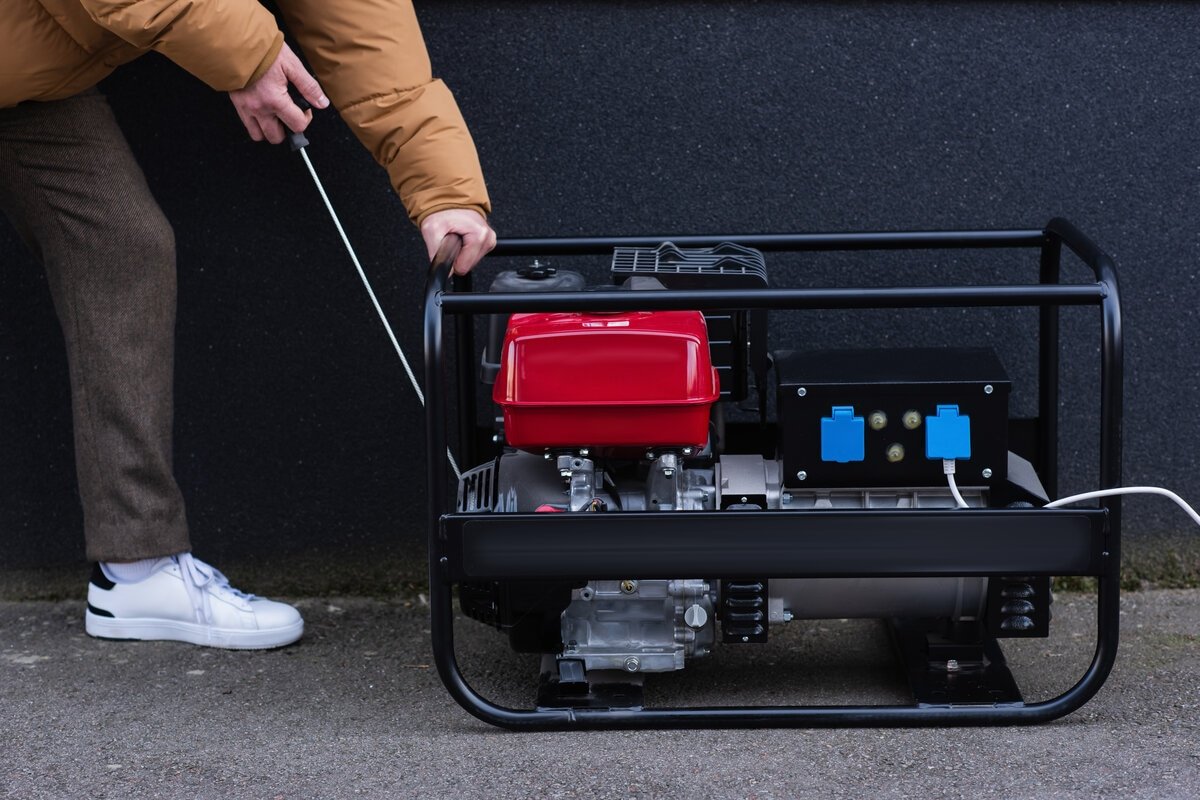
When the power goes out, life can grind to a halt. A home generator provides a beacon of hope, keeping your essential systems running and offering invaluable peace of mind. But connecting a generator to your house isn't as simple as plugging it into a wall. It requires careful planning, the right equipment, and an unwavering commitment to safety to ensure your home, and everyone in it, remains secure.
This comprehensive guide will walk you through everything you need to know, from understanding your power needs to selecting the safest connection methods and mastering proper operation. We'll demystify the process, highlight critical safety measures, and point you to in-depth resources for every step of your journey to reliable backup power.
Safety First: Non-Negotiable Rules for Generator Operation
Before you even think about cables and circuits, understand that generator safety is paramount. Misusing a generator can lead to serious hazards, including carbon monoxide poisoning, electrocution, and fire. Always treat your generator with the respect it deserves.
- Outdoor Placement is Key: Position your generator a minimum of 10 feet (3 meters) away from your home, or any occupied building. Ensure it's on a level, stable surface. This distance helps dissipate exhaust fumes and reduces fire risk.
- Ventilation is Vital: Point the generator's exhaust away from all windows, doors, and vents. Never, under any circumstances, operate a generator inside your home, an attached garage, a basement, or any enclosed or partially enclosed space. Generator exhaust contains deadly carbon monoxide (CO), an invisible, odorless gas that can kill quickly.
- Carbon Monoxide Detectors Save Lives: Even with proper outdoor placement, always use battery-operated or battery-backup carbon monoxide detectors inside your home when your generator is running. Check and replace their batteries regularly.
- Crucial "Don'ts":
- NO Backfeeding: Never connect a generator directly to your home's electrical panel (breaker box) without an approved transfer switch or interlock kit. This dangerous practice, known as "backfeeding," can send electricity back into the utility grid, potentially electrocuting utility workers.
- No Dryer/Washer Outlet Hacks: Do not attempt to connect your generator to a washing machine or dryer outlet. These are not designed for generator input and carry significant risks.
- Keep Clear: Do not run a generator with children or pets playing nearby.
- Power Down Before Plug In: Always unplug and turn off all appliances and electronics before starting or stopping your generator. Never start or stop the generator with other electrical devices plugged into the same socket on the generator itself.
Understanding Your Home's Power Needs
Before choosing a generator or connection method, you need to determine exactly what you want to power during an outage. This crucial step prevents overloading your generator and ensures you have enough juice for truly essential items.
Start by making a list of your must-have appliances: lights, refrigerator, freezer, medical equipment, phone chargers, and perhaps a well pump or furnace fan. For each item, find its running wattage. Remember that motor-driven appliances like refrigerators often have a higher "starting wattage" (surge wattage) that lasts for a few seconds when they first kick on. A typical portable generator, like a 3500W petrol model, can comfortably handle lights, a TV, fans, and a fridge/freezer for many hours.
High-wattage appliances such as central air conditioning, electric ovens, or electric clothes dryers are usually beyond the scope of most portable generators. Understanding these power requirements is fundamental to your setup. For a deeper dive into figuring out precisely what your home needs, you’ll want to read our detailed guide on How to size your home generator.
Choosing the Right Connection Method for Your Home
Connecting a generator to your house safely involves more than just an extension cord. There are two primary, approved methods for integrating a generator into your home's electrical system, each with its own advantages and considerations. Understanding these options is vital before you make any purchase or begin installation. If you're still weighing your options for backup power, you might want to Explore home backup generator types to ensure you pick the best fit for your needs.
1. Transfer Switch: The Gold Standard for Safety
A transfer switch is a dedicated electrical component installed between your home's electrical panel and an exterior power inlet box. It provides the safest and most legally compliant way to connect a generator.
- How it Works: When installed, a transfer switch allows you to safely switch your home's power source from the utility grid to your generator, preventing backfeeding. They typically allow you to select specific, pre-determined circuits (e.g., kitchen lights, refrigerator, living room outlets) that will receive generator power.
- Benefits: Simpler to use during an outage with fewer monitoring needs, as it automatically manages power distribution to selected circuits and prevents overloading. It's considered the safest option and is typically required by electrical codes.
- Installation: A transfer switch almost always requires professional installation by a licensed electrician to ensure code compliance and safety.
- Cost: Generally a higher initial investment due to the equipment and professional labor.
2. Mechanical Interlock Kit: A Flexible Alternative
A mechanical interlock kit is a physical device that fits directly into your existing electrical panel. It's designed to prevent the main utility breaker and the generator breaker from being turned on simultaneously, thereby preventing backfeeding.
- How it Works: The interlock kit slides or moves to block one breaker when the other is engaged. For instance, when the generator's dedicated breaker is on, the main utility breaker cannot be turned on, and vice-versa. This allows you to power any circuit in your panel, offering greater flexibility than some transfer switches.
- Considerations: While more flexible, it requires active manual monitoring of your power usage to prevent overloading your generator. You'll need to know your generator's capacity and carefully select which circuits to energize.
- Legality & Safety: Interlock kits must be specifically approved for your make and model of breaker box by the same manufacturer. Their legality varies by jurisdiction, and improper installation can be extremely dangerous. Professional installation is highly recommended to ensure it's done correctly and complies with local codes.
- Cost: Generally a lower initial investment compared to a transfer switch.
The Essential Power Inlet Box
Regardless of whether you choose a transfer switch or an interlock kit, a power inlet box is a crucial component. This weatherproof box is mounted on the exterior of your home and provides a safe, dedicated connection point for your generator's power cord.
- Types & Location: Bottom-mount inlet boxes are often preferred for better weather protection. Choose a location that's easily accessible from where your generator will sit, doesn't obstruct outdoor features, and is close to your main electrical panel to simplify wiring.
- Installation: Professional installation of a power inlet box is non-negotiable for safety, code compliance, and ensuring your home insurance remains valid. It involves running appropriate gauge wiring from the inlet box to your transfer switch or interlock kit.
Professional Installation: Your Safest Path to Power
While the idea of DIYing a generator hookup might be tempting, connecting a generator to your home's electrical system involves high voltage and complex wiring. Professional installation by a licensed electrician is not just recommended; it's often legally required and is the only way to guarantee safety, code compliance, and proper functionality.
Before any work begins, always contact your local Department of Labor and Industries, Planning Department, or Power Company. Local regulations, permit requirements, and approved wiring systems vary significantly. What's legal in one area might be prohibited in another.
The Installation Process (Typically for a Transfer Switch)
Here’s a general overview of the steps a qualified electrician will take, often in conjunction with your utility company:
- Disconnect Utility Power: The first and most critical step involves the local utility company temporarily shutting off power to your home's main panel and removing the meter for absolute safety.
- Mount the Transfer Switch: A sturdy mounting board will be installed near your electrical panel, and the transfer switch unit will be securely affixed to it.
- Connect to Electrical Panel: Flexible conduit will be run from the transfer switch to your main electrical panel. Individual circuits chosen for generator backup will be carefully disconnected from the main panel and rewired into the transfer switch.
- Install the Power Inlet Box: An appropriate exterior location for the power inlet box will be selected. Conduit and heavy-gauge wiring will be run from the inlet box through your home's exterior wall to connect it securely to the transfer switch.
- Test the System: Before utility power is reconnected, the electrician will perform thorough tests of the generator and transfer switch to ensure everything operates correctly and safely.
- Professional Inspection: Once installation is complete, having your entire setup professionally inspected is essential. This ensures safety, verifies code compliance, and can prevent potential disputes with insurance claims if any issues arise from faulty wiring.
For those interested in understanding the intricacies of more permanent backup solutions, exploring Understanding standby generators can provide further insight into the larger-scale installation processes.
Connecting and Using Your Generator Safely
Once your generator and connection system are professionally installed, operating it during an outage becomes a straightforward, safe process.
- Generator Setup: Move your generator to its designated outdoor spot, at least 10 feet away from your house, ensuring the exhaust is pointed away from all openings.
- Make the Connection: Take the heavy-duty power cord designed for your system. Connect one end to your home's power inlet box and the other to the generator's output receptacle. Ensure a firm, secure connection by matching the plug prongs and often twisting to lock it in place.
- Pre-Start Checks: Before starting, verify the generator has enough oil and fuel. If temperatures are below freezing (32°F/0°C), and your generator has a glow plug feature, activate it to preheat the engine. Ensure the generator's circuit breakers are in the "OFF" position.
- Start the Generator: Follow your manufacturer's specific instructions to start your generator. Most will involve turning a fuel valve, engaging a choke (if cold), and pulling a recoil cord or pressing a start button. Allow the generator to run for about 5 minutes to warm up and stabilize.
- Activate Home Power:
- With a Transfer Switch: Go to your electrical panel. First, flip the main utility breaker to the "OFF" position. Then, flip the generator main breaker on the transfer switch to the "ON" position. Use the individual switches on the transfer switch to direct power to the specific circuits you want to energize. Finally, slowly flip the individual circuit breakers for those desired loads one by one in your main panel.
- With a Mechanical Interlock: Once the generator is running, slide the interlock plate to allow the generator's main breaker to be flipped to "ON" (which will simultaneously prevent the utility main from being on). Then, carefully and slowly, flip on the individual circuit breakers for the essential appliances you need, monitoring your generator's load capacity. Start with the most critical items and add others gradually to avoid overload. You should always be familiar with your generator’s load capacity and emergency shutdown steps.
- Return to Utility Power: To switch back to utility power when it's restored, reverse the process. First, turn off all individual circuit breakers that were powered by the generator. Next, flip the generator main switch to "OFF" on your transfer switch or slide the interlock to allow the utility main. Then, flip the utility main breaker back to "ON." Finally, turn off your generator using its designated switch or key, and disconnect the power cord.
For a detailed, step-by-step walkthrough on how to safely operate your portable generator with your installed system, consult our guide on How to connect a generator safely. Remember, having the right accessories and knowing their proper use is also key to safe operation, so be sure to check out Essential generator equipment safety.
Maintaining Your Generator for Reliable Performance
A generator is an investment in your home's resilience. Regular maintenance ensures it's always ready to spring into action when you need it most.
- Fluid and Filter Checks: Follow your manufacturer's recommendations for oil changes and air filter replacements. Fresh oil and clean filters extend engine life and improve performance.
- Monthly Testing: Start your generator once a month and let it run for 15-30 minutes under a small load (e.g., a few lights or a fan). This circulates fluids, lubricates components, and ensures it starts reliably.
- Inspections: Periodically inspect all connections between the generator, power inlet box, and transfer switch for signs of wear or damage. Check and clean spark plugs as needed.
- Fuel Management: If your generator runs on gasoline, use a fuel stabilizer if you're storing it for extended periods, or drain the fuel completely according to manufacturer instructions. Keep a supply of fresh fuel on hand, stored safely in approved containers.
- Spare Parts: Consider keeping essential spare parts like oil filters, spark plugs, and a spare can of fuel on hand for quick maintenance during an emergency.
Be Prepared, Be Safe
Hooking up a generator to your house is a critical step in preparing for unexpected power outages. While the process involves several steps and often requires professional help, the peace of mind and comfort it provides are immeasurable. By prioritizing safety, understanding your system, and performing regular maintenance, you ensure that your generator will be a reliable lifeline, ready to power your home through any storm. Invest in preparedness today, and face tomorrow's uncertainties with confidence.