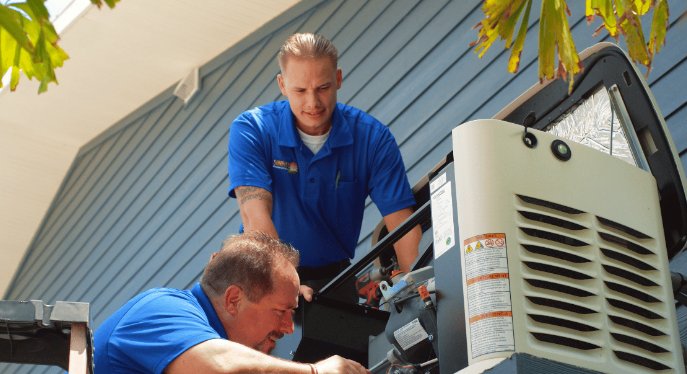
When the lights go out, a home generator can be a lifeline, ensuring comfort, safety, and continuity. But before you dream of uninterrupted power, understand this: installing a home generator isn't a DIY weekend project. It’s a complex undertaking governed by a web of Permits, Codes, and Legalities of Home Generator Installation. Navigating these regulations is not just about avoiding fines; it’s about safeguarding your home, your family, and your investment. Get it right, and you gain peace of mind. Get it wrong, and you could face serious legal, financial, and safety repercussions.
Think of it as building an addition to your home – you wouldn't pour concrete without a blueprint and city approval. A generator is no different; it's a permanent fixture that interacts directly with your home's electrical system, fuel sources, and the surrounding environment. And with significant regulatory updates rolling out in 2025, staying informed isn't just smart, it's essential.
At a Glance: Your Quick Guide to Generator Installation Compliance
- Permits are non-negotiable: Expect to secure electrical, building, and potentially fuel permits before any work begins.
- 2025 brings new rules: Be aware of updated NEC (National Electrical Code) 2023, EPA Tier 5 emissions, IBC seismic requirements, and NFPA 110 revisions.
- Local ordinances vary: Always check your specific municipality for unique noise, setback, and zoning requirements.
- Professional help is key: Licensed electricians and, often, professional engineers are critical for compliant installation. DIY is highly discouraged.
- Documentation is king: Prepare detailed site plans, electrical diagrams, product specs, and structural designs.
- Inspections are mandatory: Expect several rounds of inspections (electrical, fuel, final) to ensure compliance.
- Non-compliance is costly: Fines, voided warranties, increased insurance, safety hazards, and property value depreciation are real risks.
- Maintenance matters: Regular upkeep is crucial, and significant upgrades often require new permits.
Why Generators Aren't "Plug-and-Play": The Crucial Role of Regulation
Imagine a powerful engine humming in your backyard, automatically kicking on when the grid goes down, then safely shutting off and reconnecting your home to utility power when it returns. This seamless operation requires meticulous planning, precise electrical work, and careful consideration of safety, noise, and environmental impact. That's where permits and codes come in.
These regulations exist for a reason:
- Safety: To prevent electrical fires, carbon monoxide poisoning, fuel leaks, and improper connection to the grid (which can endanger utility workers).
- Environmental Protection: To control emissions, manage fuel storage, and mitigate noise pollution for your neighbors.
- Structural Integrity: To ensure your generator is securely installed, resistant to local hazards (like seismic activity), and properly ventilated.
- Grid Reliability: To prevent backfeeding electricity onto the utility grid, which can cause widespread outages and serious harm.
- Property Value & Insurance: To protect your investment and ensure your home remains insurable and attractive to future buyers.
Without these guidelines, every generator installation would be a roll of the dice. By adhering to them, you ensure your backup power solution is not only effective but also safe, reliable, and legally sound.
Navigating the 2025 Regulatory Landscape: What's New and Why It Matters
The regulatory environment for home generator installations is not static. It evolves with technology, safety advancements, and environmental concerns. The year 2025 brings several significant updates that homeowners and contractors must be aware of. Staying ahead of these changes can prevent costly delays and ensure your installation meets the latest standards.
National Electrical Code (NEC) 2023: Your Electrical Blueprint
The NEC is the cornerstone of electrical safety in the United States, and the 2023 edition, fully implemented by 2025 in many jurisdictions, has refined several aspects of generator installation. Key takeaways for homeowners include:
- Article 445 (Generators): This article has updated requirements covering overcurrent protection, disconnecting means, grounding, and conductor sizing specifically for generators. This ensures that the electrical components of your generator system are correctly sized and protected to prevent overloads and faults.
- Article 700 (Emergency and Standby Power Systems): This is crucial for understanding the requirements for automatic transfer switches (ATS) and how your generator interacts with your home's main electrical panel. The NEC 2023 clarifies rules for ATS functionality, ensuring a safe and seamless transition between utility power and generator power, preventing dangerous backfeeding.
- Fuel Cell Systems: With a growing interest in alternative power sources, the 2023 NEC includes new standards for fuel cell systems, often integrated with backup power solutions. If your system incorporates this technology, expect specific guidelines for its installation.
- Grounding and Bonding (Article 250): Proper grounding and bonding are paramount for safety, protecting against electrical shocks and ensuring fault currents are safely dissipated. The updated NEC reinforces these principles, requiring meticulous attention to how your generator system is grounded.
EPA Emissions Standards: Cleaner Power for a Greener Tomorrow
Effective January 1, 2025, updated Tier 5 emissions standards for stationary generators take effect. This is a significant move towards reducing the environmental footprint of backup power systems.
- Impact on Generator Selection: This means newer generators on the market will be designed to meet stricter limits on pollutants like nitrogen oxides (NOx), carbon monoxide (CO), and particulate matter (PM). When purchasing a new generator, ensure it explicitly states compliance with EPA Tier 5 standards for its specified power output. Older, non-compliant models may no longer be legally installable in some regions.
- Local Air Quality: These standards are particularly important in areas with existing air quality concerns, as local authorities may have even stricter requirements on top of federal mandates.
International Building Code (IBC) & NFPA 110: Structural Integrity and Emergency Preparedness
Beyond electrical and emissions, the physical installation and operational reliability of your generator are covered by building and fire safety codes.
- IBC Seismic Design Requirements: For homes located in seismic zones, the IBC has introduced new requirements for the structural design and anchoring of stationary generators. This ensures your generator remains securely in place during an earthquake, preventing fuel line ruptures, electrical damage, and other hazards. Your concrete pad and mounting system will need to meet specific engineering standards.
- NFPA 110 Revisions: The National Fire Protection Association (NFPA) Standard 110, "Standard for Emergency and Standby Power Systems," is undergoing revisions that impact testing, maintenance, and operational requirements. While primarily for larger commercial and industrial systems, elements of NFPA 110 often trickle down into local residential codes, especially concerning routine testing protocols and ensuring system reliability. This reinforces the need for documented maintenance.
Local Ordinance Updates: The Hyper-Local Rules You Can't Ignore
National codes provide a baseline, but local municipalities often adopt stricter or additional requirements tailored to their specific community needs. Many areas, for instance, are increasingly concerned with noise pollution and property aesthetics.
- Stricter Noise Regulations: You might find your city or county has implemented lower permissible decibel levels (dBA) at property lines, often stricter than general state guidelines. Typically, these limits range from 65-75 dBA during daytime hours, with even lower limits at night. This can significantly influence your choice of generator model and require acoustic enclosures.
- Setback Requirements: While national fire codes mandate certain distances from windows, doors, and combustible materials, local ordinances can add further setback requirements from property lines, fences, and other structures. These are often influenced by density and neighborhood character.
- Aesthetic Guidelines: Some homeowners associations (HOAs) or historic districts may have specific rules regarding generator enclosures, colors, or landscaping to conceal the unit. While not a "code," these are legal requirements you must adhere to.
Always, always consult your local building department and planning office first. Their specific amendments and local ordinances will be the final word on what's permissible in your area. This due diligence is your first and most critical step.
The Permit Pathway: Your Step-by-Step Application Guide
Getting a permit for your home generator installation can feel like navigating a bureaucratic maze, but it's a structured process designed to ensure safety and compliance. Breaking it down into phases can make it more manageable.
Phase 1: Pre-Application Planning – Laying the Groundwork
Before you even fill out a form, significant homework is required. This upfront effort can save you weeks, if not months, of delays.
- Verify Property Zoning and Restrictions: What's your property zoned for? Residential? Are there any specific overlays (e.g., flood zone, historic district) that impact exterior installations? This determines if a generator is allowed at all and under what conditions.
- Measure Setbacks: Carefully measure distances from your proposed generator location to:
- Property lines
- Existing structures (your home, sheds, garages)
- Windows, doors, and air intakes (critical for carbon monoxide safety)
- Combustible materials (fences, wood piles)
- Utility meters (gas, electric)
- Neighboring structures (for noise and fire safety).
Local codes will specify minimum distances for all of these.
- Coordinate with Local Utilities: If your generator requires a natural gas line extension or is close to underground utility lines, you'll need to contact your gas company and call 811 (Dig Alert) for underground line markout services. This prevents accidental strikes during excavation.
- Check for Environmental Restrictions: Is your property near a wetland, floodplain, or protected habitat? These areas may have additional environmental permitting requirements or outright prohibitions on new installations.
Phase 2: Assembling Your "Proof" – Required Documentation
Permit applications demand detailed documentation to demonstrate that your proposed installation meets all relevant codes. This is where professional help becomes invaluable.
- Site Plan: This is a bird's-eye view of your property, drawn to scale, clearly showing:
- Your property lines and existing structures.
- The exact proposed location of the generator.
- All measured setbacks to property lines, structures, windows, etc.
- Location of existing utilities (gas, electric, water, sewer).
- Path of electrical conduit and fuel lines.
- Location of the automatic transfer switch (ATS).
- Electrical Diagrams: A licensed electrician will provide:
- Single-line diagram: A simplified drawing showing the electrical connection from the utility meter, through the ATS, to the generator, and back to your main panel.
- Conductor (wire) sizes, overcurrent protection (breakers), and disconnects.
- Transfer switch specifications (make, model, amperage rating).
- Grounding and bonding details.
- Product Specifications (Cut Sheets): Manufacturer's technical data sheets for all major equipment, including:
- The generator itself (model, serial, power output, fuel type, emissions rating, noise level).
- Automatic Transfer Switch (ATS).
- Any sub-panels or critical load panels.
- Fuel tanks (if applicable).
- Structural Details:
- Foundation design for the generator pad (e.g., reinforced concrete slab dimensions and rebar schedule).
- Mounting specifications for seismic zones.
- Sometimes, an engineer's stamp is required for these designs.
- Ventilation Analysis: Detailed calculations demonstrating adequate airflow for generator cooling and exhaust dispersal, especially if the unit is partially enclosed or in a confined space.
- Proof of Ownership: A deed or property tax statement.
- Contractor Details: If applicable, the license numbers and contact information for your electrical and general contractors.
Phase 3: The Approval Process – What to Expect After You Submit
Once your comprehensive package is ready, it's time to submit and wait.
- Application Submission: Most municipalities now offer online permitting portals, which streamline the process. Submit all required documents and pay the initial fees.
- Review Timeline: Be patient. Review times typically range from 2 to 6 weeks, depending on the complexity of your project and the backlog of the permitting office. Some jurisdictions may "fast-track" simpler applications.
- Fee Structure: Permit fees generally range from $150 to $800, but can be higher for larger generators or more complex installations. These fees cover the administrative costs of review and inspections.
- Inspections Required: Your project will likely require multiple inspections:
- Electrical Rough-in Inspection: After conduit and wiring are run but before walls/enclosures are sealed.
- Fuel System Inspection: (If applicable) To check gas lines, connections, and tank installations.
- Final Electrical Inspection: After all electrical connections are complete and the system is energized.
- Final Building Inspection: To verify structural elements, clearances, and overall compliance.
- Noise Compliance Inspection: In some areas, an inspector may perform a decibel reading at property lines to ensure compliance.
Each inspection must pass before proceeding to the next stage or final approval.
The 2025 Compliance Checklist: Building Your Generator by the Book
Ensuring your generator installation meets every facet of the code is paramount. This checklist summarizes the critical points of compliance for 2025.
Electrical Compliance: Connecting Safely to the Grid
This is where the majority of code violations occur, making professional expertise non-negotiable.
- NEC Article 445 (2023 NEC): All generator-specific electrical components (wiring, disconnects, overcurrent protection) must conform to these updated requirements. This includes proper sizing of conductors to handle the generator's full load without overheating.
- NEC Article 700 (Automatic Transfer Switch): The ATS must be correctly installed, rated for the generator's output, and ensure proper isolation between utility and generator power. This prevents dangerous backfeeding onto the grid.
- NEC Article 250 (Grounding/Bonding): The generator frame, electrical system, and any associated metal components must be properly grounded and bonded to prevent electrical shock hazards and ensure fault currents have a safe path.
- Conductor Sizing: All electrical wires must be correctly sized to safely carry the maximum current from the generator. Undersized wires pose a serious fire risk.
- Disconnects Within Sight: A readily accessible electrical disconnect switch must be installed within sight of the generator, allowing for quick power cut-off during maintenance or emergencies.
Safety & Environmental Standards: Protecting Your Home and Your Neighbors
Beyond electricity, a generator impacts its surroundings. These standards aim to minimize potential hazards and disturbances.
- Local Noise Ordinances: Your generator must operate within the permissible decibel range (typically 65-75 dBA at the property line). Consider low-noise models or acoustic enclosures.
- EPA Tier 5 Emissions Standards: Ensure your chosen generator is certified to meet the new Tier 5 emissions standards for stationary generators taking effect January 1, 2025.
- Fire Safety Clearances: Maintain minimum specified distances from combustible materials (e.g., wooden fences, vegetation), windows, doors, and air intakes to prevent fire spread and carbon monoxide intrusion.
- Adequate Ventilation: The generator needs unobstructed airflow for cooling and exhaust dispersal. Ensure it's not placed in an enclosed space without proper ventilation design. Carbon monoxide detectors are crucial indoors.
- Spill Prevention: If your generator has an external fuel tank, secondary containment might be required to prevent fuel spills from contaminating soil or water. This is more common for larger commercial units but can apply to substantial residential setups.
Structural & Fuel System Requirements: A Solid Foundation
A generator is a heavy piece of equipment, and its fuel system needs to be robust and secure.
- Proper Concrete Pad/Mounting System: The generator must be installed on a stable, level, non-combustible foundation, typically a reinforced concrete pad. In seismic zones, this pad and the generator's mounting must meet specific engineering standards to prevent dislodgement.
- Weather Protection: While most standby generators are designed for outdoor use, ensure the installation provides adequate protection from extreme weather, often with a purpose-built enclosure.
- Accessibility Clearance: Maintain a minimum of 3 feet of clear, unobstructed space on all sides of the generator for safe access during maintenance and repairs.
- Fuel System Codes: Adhere strictly to codes governing fuel lines (natural gas or propane), storage tanks, and connections. This includes proper pipe sizing, pressure testing, shut-off valves, and protection against physical damage. All connections must be leak-free and securely fastened.
Common Pitfalls and How to Sidestep Them
Even with the best intentions, it's easy to stumble over complex regulations. Knowing the common traps can help you avoid them.
The Noise Blunder: Underestimating Local Requirements
Many homeowners focus solely on power output and price, forgetting that a noisy generator can quickly become a neighborhood nuisance and a code violation.
- Solution: Before purchasing, check local noise ordinances. Look for inverter generators or models explicitly marketed as "low-noise." Consider professional-grade acoustic enclosures, which can significantly reduce decibel levels. Some professionals even offer pre-installation noise testing to confirm estimated levels.
Inadequate Load Calculations: Too Little, Too Late
Underestimating your actual power needs can lead to a generator that's too small (failing to power essential appliances) or, conversely, one that's oversized (wasting fuel and money, and potentially idling inefficiently, which can damage the engine).
- Solution: Hire a licensed electrician or a specialized generator contractor to perform a detailed load calculation. They'll assess your home's total electrical demand and help you prioritize critical circuits. Consider future expansion needs (e.g., adding an EV charger) if you plan to stay in your home long-term. This ensures you size your generator just right, which ties into the important topic of connecting a generator to your home efficiently and safely.
The DIY Temptation & Skipping Professional Engineering
While appealing to save money, DIY generator installation is fraught with peril. Improper wiring, incorrect fuel line connections, or inadequate structural support can lead to fires, carbon monoxide leaks, electrocution, or severe property damage.
- Solution: Always hire licensed electricians and, if required by your jurisdiction, professional engineers (PEs) familiar with current generator codes. They possess the expertise, tools, and insurance to ensure a safe, compliant, and reliable installation. For example, understanding how to choose the right transfer switch is a complex electrical task best left to professionals.
Ignoring Local Amendments: Assuming National Codes Cover Everything
The NEC and IBC provide a national framework, but local jurisdictions frequently add their own amendments, which can be stricter or address unique local conditions.
- Solution: The single most important step is to directly contact your local building department, zoning office, and fire marshal. Don't rely solely on what a contractor tells you or what you read online (unless it's from your specific municipality's website). Ask for a list of all required permits and specific local amendments to the NEC, IBC, and any other relevant codes. These local nuances often dictate specifics like generator noise reduction strategies or unique setback rules.
The Professional Advantage: When to Bring in the Experts
Let's be clear: this is not a project for the enthusiastic amateur. The complexity and potential hazards of generator installation demand professional expertise.
- Licensed Electrical Contractors: A licensed electrician is non-negotiable. They understand the intricacies of your home's electrical system, the NEC, and how to safely integrate a generator without compromising safety or utility power. They handle everything from wiring the ATS to ensuring proper grounding and overcurrent protection.
- Professional Engineering (PE) Stamps: For structural designs (like reinforced concrete pads in seismic zones) or complex electrical layouts, your local authority might require a professional engineer's stamp. This certifies that the design meets specific engineering standards and local building codes.
- Specific Generator Installation Certifications: Some areas or manufacturers require contractors to hold specific certifications related to generator installation, maintenance, or particular fuel systems. Always ask for proof of relevant certifications.
- Insurance: Licensed contractors carry adequate liability and workers' compensation insurance. This protects you in case of accidents, injuries, or property damage during the installation process. A DIY mishap, or one by an uninsured contractor, leaves you financially exposed.
Trying to save a few dollars by attempting a DIY generator installation is a false economy. The risks of injury, property damage, missed code requirements, and the eventual need to hire professionals to fix shoddy work far outweigh any perceived savings. Plus, unpermitted work almost guarantees issues with home insurance and future property sales.
The Cost of Cutting Corners: Consequences of Non-Compliance
The allure of quick, cheap installation without proper permits can be strong, but the repercussions of non-compliance are severe and long-lasting.
- Hefty Fines and Potential Legal Action: Local authorities can issue significant fines for unpermitted work, and may require you to immediately stop work, remove the installation, or bring it up to code (often at a much higher cost). Repeated violations can lead to legal action.
- Increased Home Insurance Rates & Voided Policies: Insurance companies view unpermitted or non-compliant installations as major risks. They can increase your premiums, deny coverage for generator-related incidents, or even void your entire home insurance policy, leaving you vulnerable to any damage to your home.
- Serious Safety Concerns: This is the most critical consequence. Improperly installed generators can lead to:
- Fires: From overloaded circuits, faulty wiring, or fuel leaks.
- Carbon Monoxide Poisoning: If exhaust gases are improperly vented or vent into living spaces.
- Electrocution: To you, your family, or utility workers due to backfeeding power onto the grid.
- Fuel Leaks: Creating environmental hazards and fire risks.
- Lower Property Value & Difficulties Selling: Unpermitted work is a red flag for home inspectors and potential buyers. It can significantly lower your property's value and make it difficult to sell until the issues are resolved and permits obtained (a process that can be more complex and expensive retrospectively).
- Voided Manufacturer Warranties: Many generator manufacturers explicitly state that warranties are void if the unit is not installed by a licensed professional in accordance with all applicable codes. This means you're on the hook for any repairs or replacements.
A properly permitted and compliant installation is an investment in safety, reliability, and your property's long-term value.
Beyond Installation: Ongoing Maintenance and Future Upgrades
Your responsibility doesn't end once the generator is installed and inspected. Like any complex machinery, a generator requires regular care to ensure it's always ready when you need it. This includes performing routine generator maintenance tips to extend its lifespan and maintain efficiency.
- Regular Maintenance is Crucial:
- Monthly Checks: Verify oil levels, coolant levels, and ensure the area around the unit is clear of debris.
- Quarterly/Bi-Annual: Replace air filters, spark plugs, and check battery terminals for corrosion.
- Weekly Test Runs: Most generators have an automatic exercise mode that runs the unit for 15-30 minutes each week to keep components lubricated and ensure readiness.
- Inspections: Regularly inspect fuel lines for leaks, wiring for wear, and the exhaust system for blockages.
- Log Book: Keep a detailed log of all maintenance activities, test runs, and any issues encountered. This helps with troubleshooting and tracking warranty requirements.
- When an Upgrade Needs a New Permit: You can't just modify your generator system without revisiting the permitting process. Significant changes almost always require new permits:
- Increasing Size/Capacity: Replacing a 10kW generator with a 20kW unit means new load calculations, electrical diagrams, and potentially a larger concrete pad.
- Adding Structures: Building an enclosure around an existing generator for noise reduction or weather protection might require a building permit.
- Changing Fuel Types: Converting a generator from propane to natural gas (or vice-versa) requires new fuel line permits and inspections.
- Relocating the Unit: Even moving an existing generator to a different spot on your property will require new setback approvals and likely new electrical/fuel permits.
Always consult your local building authority before making any significant changes to your generator system to understand the specific requirements.
Your Next Steps: Building a Compliant and Reliable Power Backup
Installing a home generator is a significant investment in your family's safety and comfort. Approaching it with diligence and respect for the regulatory framework is the only way to ensure that investment pays off without headache or hazard.
Start by contacting your local building department. This is the single most important action you can take to understand the specific Permits, Codes, and Legalities for Home Generator Installation in your area. Don't rely on assumptions or anecdotes; get the official requirements directly from the source.
Next, engage with qualified professionals. A licensed electrician and a reputable generator installer will be your invaluable partners in navigating the paperwork, designing a compliant system, and executing the installation safely and correctly. They can also help you understand options like different types of generators and their specific permitting needs.
Remember, a properly permitted and compliant generator installation ensures safety, reliability, protects your investment, and maintains your property's value for years to come. It’s not just about power; it’s about peace of mind.